By four in the afternoon the piazza smells of woodsmoke and crushed grapes. Trestle tables have appeared where the school run happens on weekdays, a hand-lettered board lists four dishes and nothing else, and a man in a flour-dusted apron is explaining to nobody in particular that the polenta needs another ten minutes. Nobody is selling you an experience. That is precisely the point. Italy's harvest festivals — sagre, in the local vocabulary — are village institutions run by volunteers, and the pleasure of attending one is mostly a matter of knowing when to show up, what to order, and when to simply get out of the way.
The word gets used loosely, but a true sagra is a food festival tied to a specific local product at the moment it comes off the field, out of the wood, or off the vine. Chestnuts in the Mugello. Porcini in the Apennine foothills. New wine around San Martino in November. Olives going to the frantoio across the south in late autumn. Truffles in San Miniato and a dozen other hill towns. Some are tied to a saint's day instead, and a few — the grape festival at Marino, near Rome, is the famous example — are large enough to draw coach parties.
The people running them are usually the pro loco, the parish, the volunteer fire brigade or the local hunting or farming association. That shapes everything: the menu, the prices, the seating, the pace. These are not commercial events designed around visitors. They are the village feeding itself and whoever turns up, and the best of them feel like a wedding reception where you happen not to know the couple yet.
Do not rely on generic travel listings. Most sagre are announced on photocopied posters stapled to walls, on the comune's website, and on a Facebook page maintained by someone's nephew. The regional tourism board sites are decent starting points, but the most reliable method is simply to be in a small town and ask.
You will park in a field or along a road on the edge of town, because the centre is closed. Walk in. Somewhere near the entrance there will be a cassa — a cash desk where you buy paper tickets or a prepaid card, then exchange those tickets for food at the individual stands. This two-step system confuses first-timers every time. Watch what the person ahead of you does; it takes about ninety seconds to understand.
Seating is communal and there is no reservation. Find a gap at a long table and ask "è libero?" before you sit. If the festival is busy, eat in relays — order one course, let the next group take your table, then come back for dessert. Bring cash, both because the queues move faster and because some smaller festivals have no card reader at all. And bring a layer of clothing: these things run from late afternoon into the night, often outdoors, often on a hill.
Four to six dishes, cooked in quantity by people who have made them a thousand times. Order the thing the festival is named after, plus whatever side is listed — usually something involving beans, greens or grilled vegetables. Portions are generous. Wine arrives in a carafe, water in a plastic bottle, coffee from a machine near the exit. Nobody will offer you alternatives, but if you ask politely about a vegetarian option there is usually a pasta al pomodoro or a plate of grilled vegetables behind the counter.
If it is October chestnut country, order the castagne, the necci and the chestnut cake, and skip the fried mixed platter that appears at every festival in Italy. This is the whole logic of a sagra: it exists because a crop needed eating. The food is at its best when it is the food of the moment.
Pay attention to the small rituals. Someone may pass round a plate for everyone to try. There may be a toast before the food is served, or a blessing. A brass band might start up without warning. None of this is staged for visitors, and joining in quietly is the whole point.
Hospitality in rural Italy is genuine and unceremonious, but it is not unlimited. A few habits will make your presence welcome rather than tolerated.
Almost every sagra happens in a place with limited parking, narrow roads and no taxi service, so decide early who is driving and stick to it. Country roads after dark are winding, sometimes unlit, and shared with tractors. If you plan to drink, look for accommodation within walking distance and book it well in advance — a modest festival can fill every room in the valley for the weekend.
Check the dates on the day itself, not a month ahead. Sagre run for a weekend or two, sometimes get postponed, and frequently start later than advertised. Go at opening time if you want short queues and a table; go at nine if you want the atmosphere with the washing-up in full swing. Finally, take note that these are local, cash-run, volunteer affairs: details change, and a phone call or a look at the comune site the week before will save you a wasted evening. If you are travelling with specific dietary requirements, ring ahead or expect to improvise.
The best part of a harvest festival is rarely the part you planned. It is the retired schoolteacher at the next table insisting you try a second glass of the new wine, or the walk up through the village afterwards because someone told you the view from the top was better. So build slack into the day. Don't schedule another stop for seven in the evening. If the food runs out, eat somewhere else and come back next year — that is the correct response, and it is what the locals do.
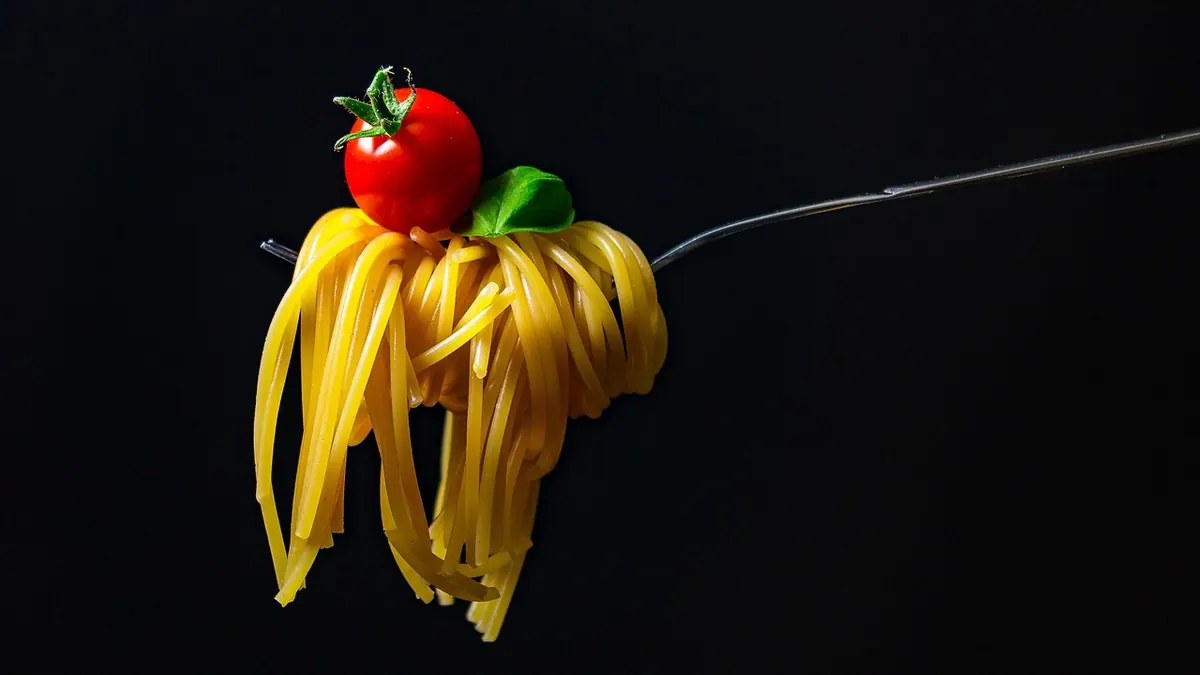
Photo: Divily / Pixabay